CO2 Laser Skin Resurfacing in Phoenix
Deeper resurfacing for wrinkles, acne scars, texture and sun damage, with the depth matched to your goals.
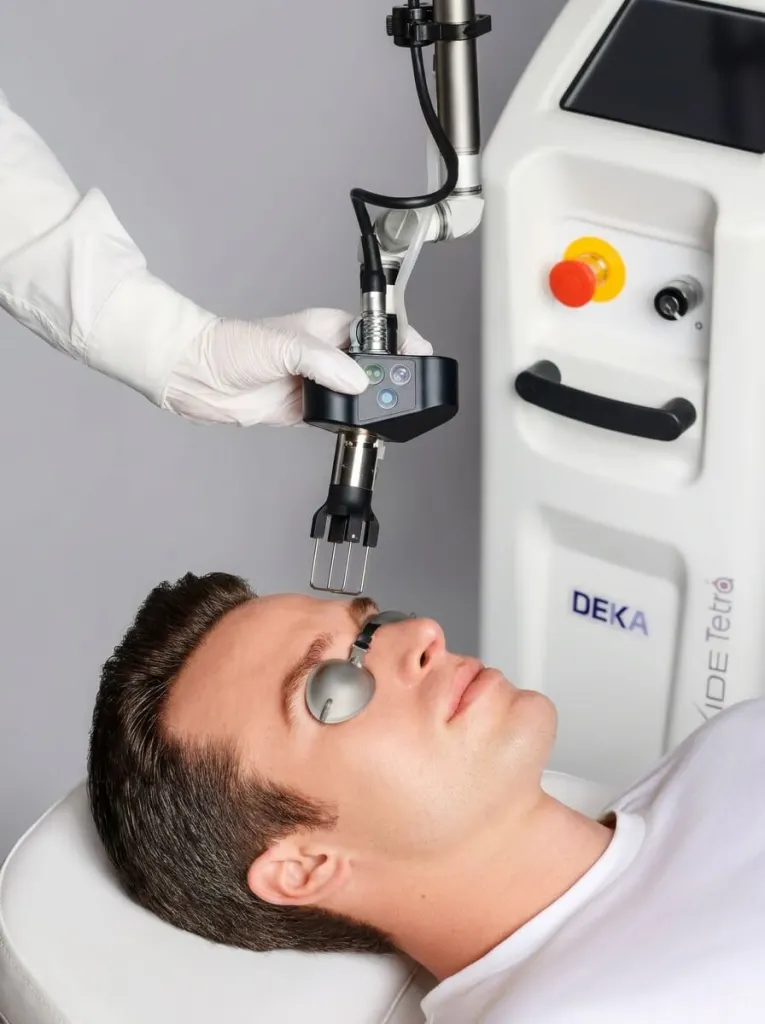
Soliz Med Spa offers fractional CO2 laser resurfacing at our North Tatum Boulevard office in Phoenix on the Tetra CO2 laser. Treatment depths range from mild and moderate to aggressive fractional ablation, so your plan fits both your skin concern and the recovery time you have.
What CO2 Laser Resurfacing Can Do
Some concerns sit deeper than facials or skin care can reach. Fractional CO2 laser resurfacing can treat:
- Fine lines and deeper wrinkles
- Sun damage and photoaging
- Acne scars and certain other scars
- Stubborn acne scarring, including scars from cystic acne
- Uneven skin texture
- Enlarged pores
- Uneven skin tone
- Skin laxity and visible signs of aging
Years of Arizona sun are a common reason Phoenix patients start looking into laser resurfacing.
Tetra CO2 by DEKA
Soliz Med Spa uses the Tetra CO2 laser, made by DEKA. It is one laser, not two different technologies: the same Tetra laser is used for fractional CO2 resurfacing and for CoolPeel, at different depths.
Treatment depths range from mild and moderate to aggressive fractional ablation, and options include full-face resurfacing as well as small- and medium-area treatments. The goal is not the most aggressive setting; it is the right depth for your concern and your schedule.
How CO2 Laser Resurfacing Works
A Tetra CO2 laser treatment typically takes 45 to 60 minutes, depending on the treatment area, laser settings and your individualized treatment plan.
- Consultation. Flor reviews the areas you want to improve and determines your treatment plan, including the treatment depth.
- Before treatment. You’ll receive pre-treatment instructions for skin resurfacing.
- Comfort. A topical numbing cream is generally applied before treatment. Deeper or more extensive treatments may need nerve blocks or other pain control, and nitrous oxide may be used as an adjunct, but it is not a substitute for an appropriate anesthesia plan. Most patients describe the sensation as warmth, heat or a prickling sensation during treatment.
- Treatment. Sonia typically performs your resurfacing on the Tetra laser under Flor’s supervision. If you prefer, Flor is available to perform the treatment herself.
- Recovery. You’ll leave with post-treatment instructions. Recovery depends on the depth and area treated, and your provider will tell you what to expect for your specific plan.
Ablative, Fractional and Non-Ablative: What the Terms Mean
Ablative, non-ablative and fractional describe different, and sometimes overlapping, aspects of a laser treatment, so they are not interchangeable. Fractional treatments can be either ablative or non-ablative.
Fully ablative resurfacing removes surface skin across the entire treated field. Fractional ablative resurfacing leaves untreated “islands” of skin between treatment columns to support healing.
Ablative CO2 Laser Resurfacing
Ablative CO2 laser resurfacing is the general category. Its intensity ranges from fractional ablative to fully ablative, depending on the device, settings, coverage and treatment plan.
- Treats: deep wrinkles, pronounced photoaging, acne scars and other atrophic scars, uneven skin texture, enlarged pores, select benign skin lesions, sun-damaged skin and textural irregularities.
- Downtime: often several days to two weeks or longer, depending on the depth, density and area treated. Redness may persist for weeks.
- Comfort: more intensive treatments may need topical anesthesia, local nerve blocks or other analgesia. Nitrous oxide may be used as an adjunct.
Fractional Ablative CO2 Laser
Fractional ablative CO2 provides substantial resurfacing and collagen remodeling while preserving untreated skin between the treatment columns, so healing is generally faster than with fully ablative resurfacing.
- Treats: acne scarring, fine to deep wrinkles, skin laxity and textural irregularities, surgical or traumatic scars, and photodamage.
- Downtime: commonly several days to about two weeks. Residual redness may last longer, and more aggressive settings increase recovery time.
- Comfort: a topical anesthetic may be enough for some treatments. Deeper or more extensive treatments may need additional pain management.
Fractional Non-Ablative Laser Treatments
Fractional non-ablative treatments stimulate collagen remodeling while preserving the surface skin: they do not remove surface tissue. They generally cause less surface disruption and have a shorter recovery than ablative CO2 resurfacing.
- Treats: fine lines, mild to moderate photoaging, uneven skin tone and texture, select acne scars, and early textural changes.
- Downtime: often one to several days of redness, swelling or a rough, sandpaper-like texture, depending on the device and settings.
CoolPeel CO2 Laser Treatment
CoolPeel is a type of fractional ablative CO2 treatment, with less residual heat and typically less downtime than more aggressive CO2 treatments. CoolPeel is not a non-ablative treatment. It is a milder, more controlled fractional ablative CO2 treatment, but it can still deliver meaningful results.
- Treats: fine lines and superficial wrinkles, enlarged pores and uneven texture, mild photodamage, dull skin, and superficial textural irregularities.
- Downtime: often mild redness and swelling for a few days, sometimes with temporary roughness or pinpoint crusting. It varies with the settings, skin type and intensity.
Fully Ablative CO2 Laser Resurfacing
Fully ablative resurfacing removes the epidermis across the entire designated treatment field; how deep it reaches into the dermis depends on the treatment parameters. It is generally more aggressive than fractional resurfacing, because no untreated islands of skin are kept within the field.
- Treats: selected cases of advanced photoaging, pronounced wrinkles and significant textural irregularities, when the benefits justify the recovery and risk.
- Downtime: often two weeks or longer for initial healing, and redness may be prolonged.
- Comfort: often requires more substantial pain control, such as local anesthesia or nerve blocks. Nitrous oxide may be an adjunct, but it is not a substitute for an appropriate anesthesia plan.
Benefits of CO2 Laser Resurfacing
Fractional CO2 laser resurfacing provides substantial resurfacing and collagen remodeling. As your skin heals, you will begin to notice improvements in skin texture, tone and overall appearance, with continued improvement over the following weeks and months as collagen remodeling takes place.
Results develop gradually and vary depending on treatment depth and individual skin response. Some patients achieve significant improvement after one treatment, particularly with more intensive resurfacing. Others may benefit from a series of treatments, and your treatment plan is customized to your individual concerns and skin goals.
Target Areas
Depending on your treatment plan, Tetra CO2 laser resurfacing can treat:
- Face
- Neck
- Décolletage (chest)
- Hands
- Selected areas of the body
Treatment areas are selected according to your skin condition, treatment goals and candidacy.

Who Performs Your Treatment?
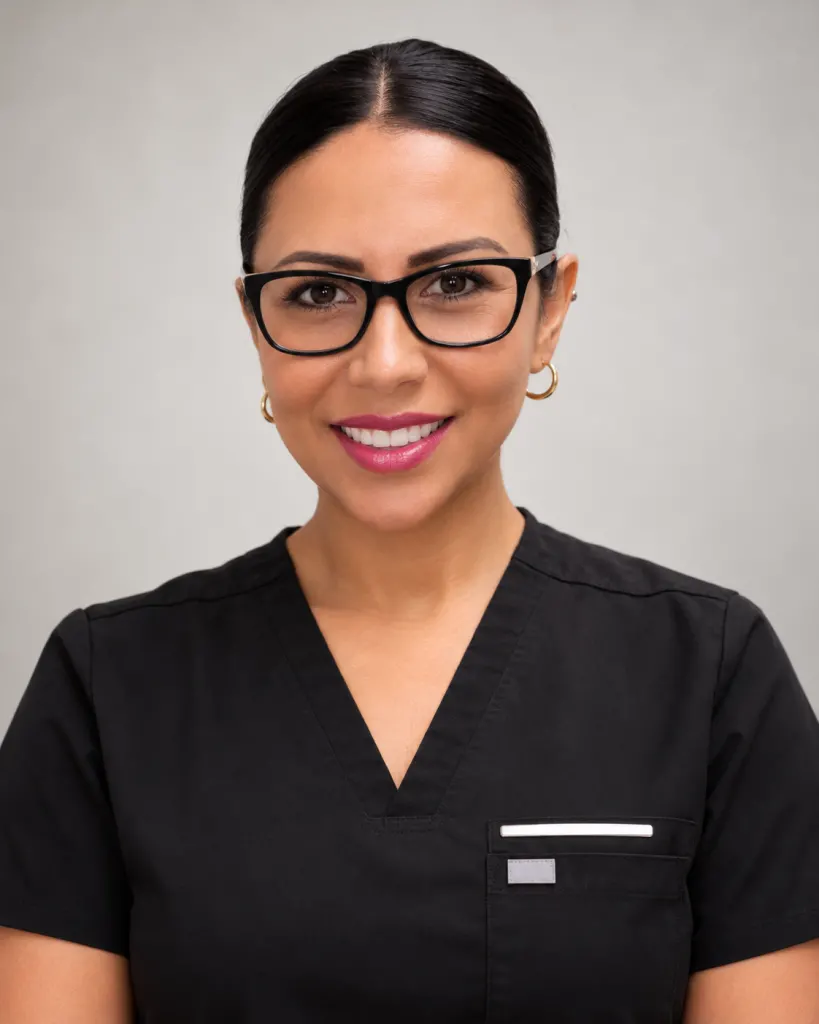
Flor Solis, FNP-C, ACNP-C, Nurse Practitioner, personally conducts every CO2 laser and CoolPeel consultation. Treatments are performed by Flor and Sonia Aviña, LA, CLT. The consultation fee is $50, applied toward your treatment.
Is CO2 Laser Resurfacing Right for You?
Tetra CO2 laser treatment is not appropriate for every skin type or every patient. Skin tone, pigmentation history, previous treatments, medical history and risk of post-inflammatory hyperpigmentation must be evaluated before treatment. Patients with darker skin tones may have an increased risk of pigmentation changes. A thorough consultation is essential to determine the safest and most appropriate treatment approach.
Downtime. Downtime varies depending on the intensity and depth of treatment. Patients may experience redness, swelling, warmth and pinpoint areas of skin peeling or crusting as the skin heals. Recovery may range from several days to 1 to 2 weeks or longer following more intensive resurfacing. Your provider will discuss your expected recovery based on your treatment plan.
Fully ablative resurfacing. Fully ablative treatments carry more risk. Potential complications include infection, scarring, pigmentary changes and delayed healing.
CO2 Resurfacing vs. CoolPeel: Which Is Right for You?
Both treatments use the Tetra laser, at different depths. CoolPeel is the milder, more controlled option: a fractional ablative CO2 treatment for fine lines, sun damage, pores and texture, with typically less downtime than more aggressive CO2 treatments. Fractional CO2 resurfacing goes deeper for wrinkles, acne scars and more noticeable sun damage, and involves planned downtime. It generally requires more recovery time, but it can provide more substantial resurfacing results.
You don’t need to choose before you book. At your consultation, Flor will recommend one based on your skin and how much recovery fits your life.
CO2 Laser FAQs
How much does fractional CO2 laser cost?
Price depends on the area treated (full face, small or medium area) and the depth of resurfacing. Your provider will recommend a plan at your consultation and give you the price before anything is scheduled.
Book a CO2 Laser Consultation in Phoenix
Soliz Med Spa is a Veteran-owned med spa at 16421 N Tatum Blvd, Suite 206, Phoenix, AZ 85032. We are open Monday through Friday from 8 AM to 6 PM and Saturday from 9 AM to 3 PM. Book online or call 602-325-5880.